
Brew Kettle
A large stainless pot sized for your typical batch volume, usually two to five gallons for hobbyists.
Our Approach
Instead of one long guide, the curriculum is broken into short, focused modules. Each one answers a specific question you'll run into while brewing: what temperature, how long, how much sugar, how to know it's ready.
Philosophy
Recipes copied from a card can produce a decent beer once. Understanding why a mash rests at a particular temperature, or why a yeast strain behaves differently at 62 degrees than at 72, lets a hobbyist adjust a recipe with confidence. That's the gap this program tries to close. Lessons explain the reasoning behind a step, not just the step itself, so the same logic can be applied to a lager, a stout or an experimental batch built from scratch.
This is not a substitute for hands-on practice. Reading about mash chemistry will not replace the feel of stirring a thick mash or the smell of active fermentation. The goal is to give hobbyists enough background to interpret what they're seeing in the kettle or the fermenter, and to troubleshoot when something looks off.
Lesson Structure
Every module in the course library follows a similar rhythm, even though the subject changes.
A short written explanation of the concept, kept to a page or two, with plain language rather than dense technical jargon.
A worksheet or calculator for applying the concept to your own batch size, ingredients and target style.
A checklist to follow at the kettle or fermenter, written so it can be printed and used with wet or busy hands.
A simple log template for noting temperatures, timings and gravity readings, so future batches can be compared and adjusted.
A short troubleshooting section covering the most common issues reported at that stage, and what they usually indicate.
Safety & Sanitation
Most off-flavors and spoiled batches trace back to sanitation, not recipe design. Before any module covers flavor or style, it covers cleaning and sanitizing equipment, safe handling of hot liquids, and how to recognize signs of contamination in a finished batch.
Bottling lessons include specific guidance on safe carbonation ranges to reduce the risk of over-pressurized bottles, along with proper storage conditions for finished beer. This material is educational and general in nature. It is not a substitute for following the instructions that come with your own equipment.
Equipment
Course lessons reference a modest, common home setup rather than commercial-scale equipment.
A large stainless pot sized for your typical batch volume, usually two to five gallons for hobbyists.
An insulated cooler or dedicated mash tun, paired with an accurate thermometer for grain conversion steps.
A food-grade bucket or glass carboy fitted with an airlock to allow gas release while keeping air out.
Clean bottles, caps, a capper, and a way to measure priming sugar accurately before packaging.
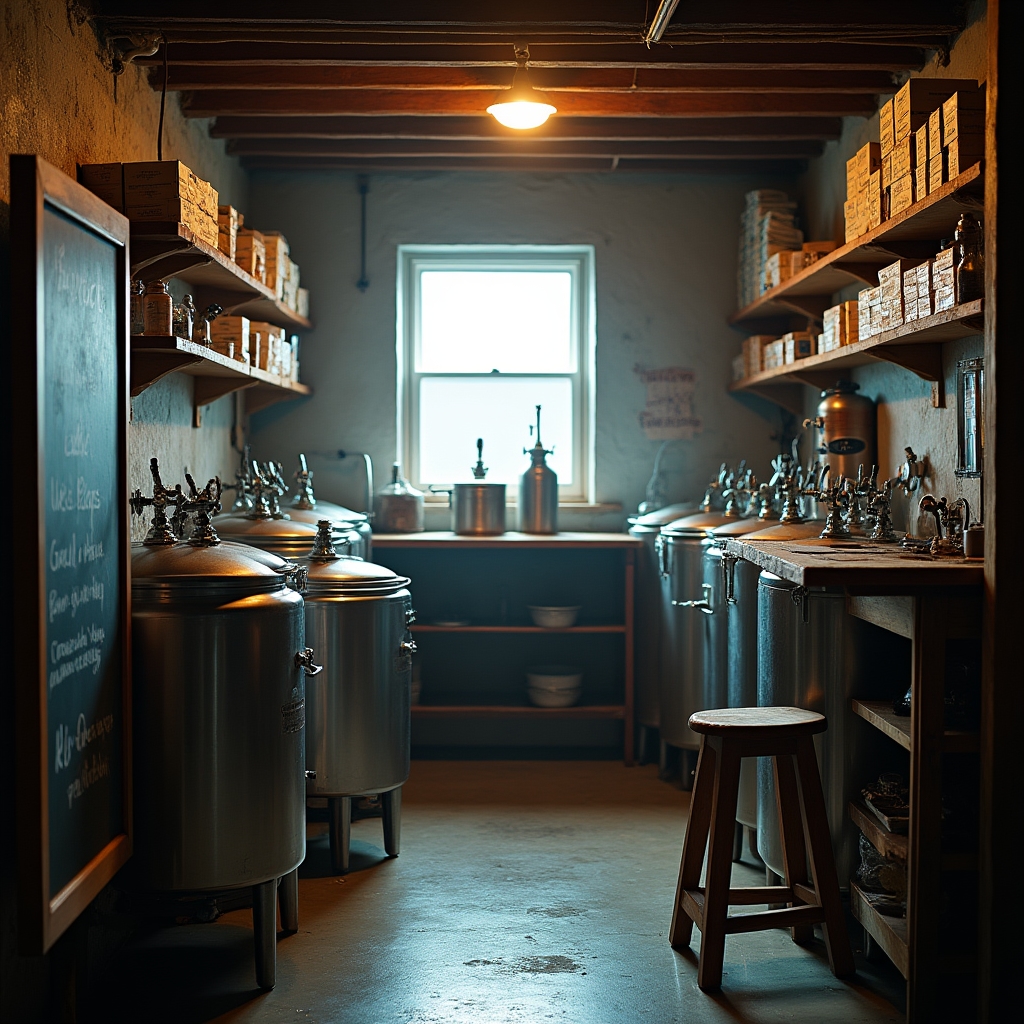
Group Sessions covers the live, discussion-based side of the program, including recurring topics and formats.
We use cookies
Essential cookies keep this site working. Optional cookies help us understand usage.
Choose which categories of cookies you allow. Essential cookies cannot be turned off because they are required for the site to function.