
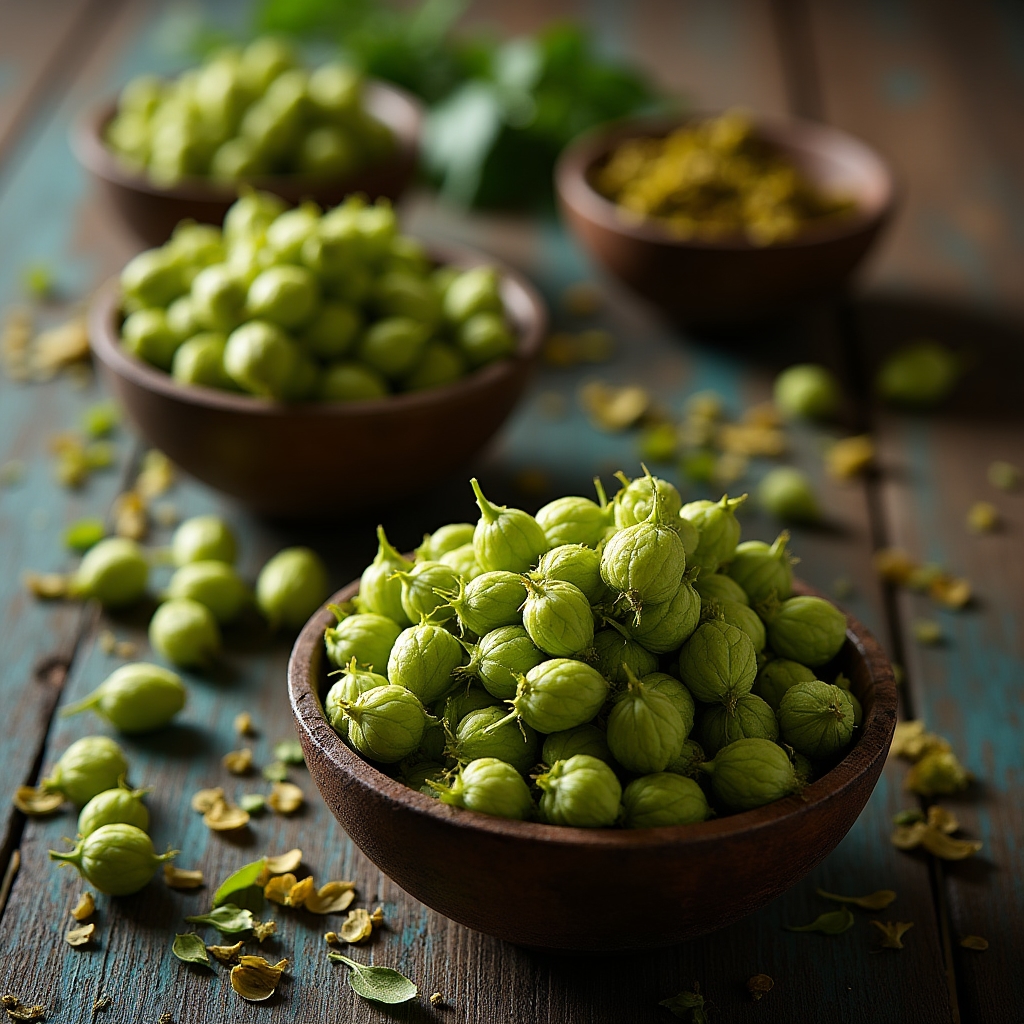
Mashing & Grain Bills
How grain, water temperature and rest time convert starch into fermentable sugar, and how to adjust a grain bill for the malt character you want.
Home Brewing Education, Self-Paced
A structured educational resource for hobbyists who want to understand mashing, fermentation, carbonation and bottling well enough to build their own recipes using hops, grains and natural yeast strains.
Designed for personal, non-commercial home use. No brewery license or permit required to follow along.
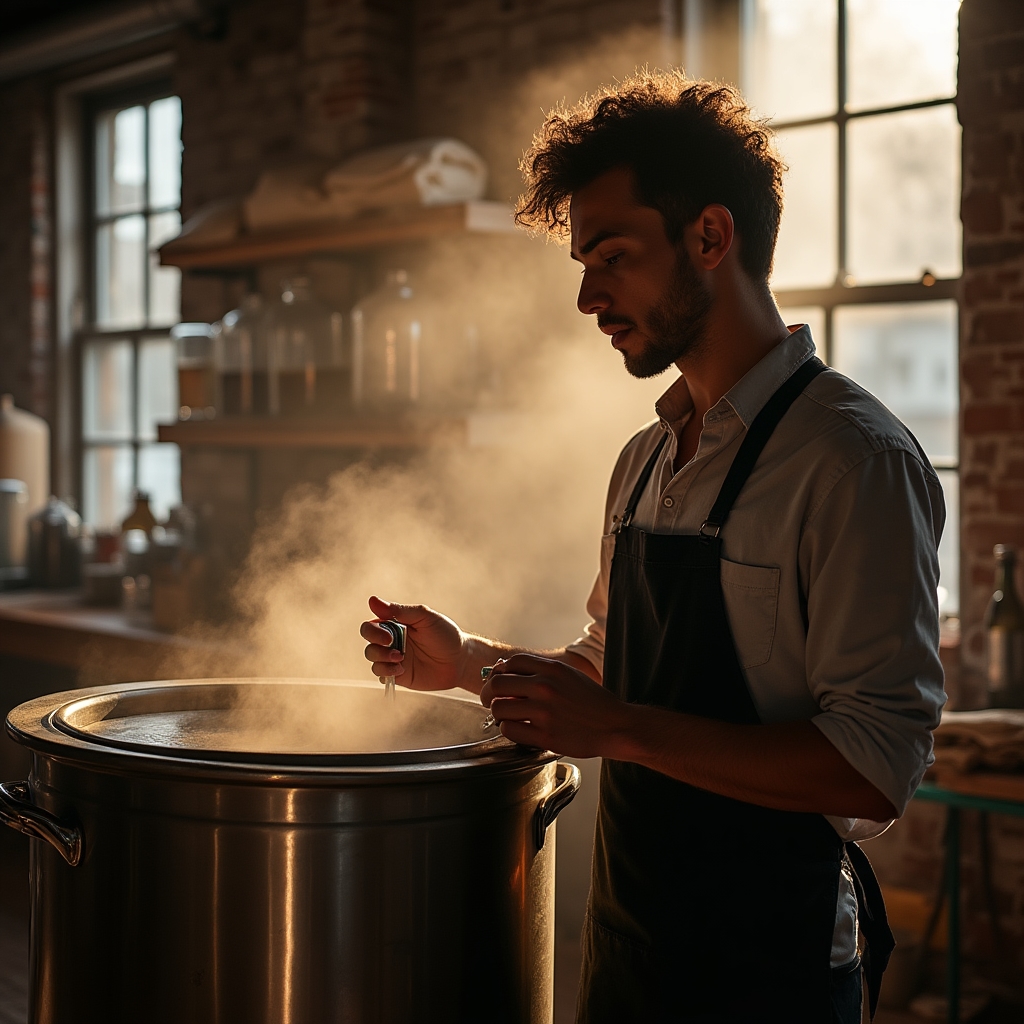
The Fundamentals
Each course module is built around one stage of the brewing process, from raw grain to a finished, carbonated bottle. Lessons are written to be followed at kitchen-counter pace, with worksheets for every batch.
How grain, water temperature and rest time convert starch into fermentable sugar, and how to adjust a grain bill for the malt character you want.
Pitching rates, temperature control and how different yeast strains, including natural and wild cultures, shape aroma and flavor.
Bottle conditioning versus forced carbonation, priming sugar calculations, and how to read carbonation levels before packaging.
Sanitation routines, safe bottling pressure ranges, and storage conditions that reduce the risk of over-carbonation or contamination.
Program Scope
A clear picture of the materials and worksheets included across the full course library.
Course Library
Modules are sequential but can also be studied on their own if you already have experience with a particular stage.
Build a personal recipe from scratch using grain percentages, hop schedules and yeast selection. Includes worksheets for adjusting bitterness, color and final gravity targets before you brew.
See how modules are structuredWater chemistry basics, mash temperature ranges, and how rest times influence body and sweetness in the finished beer.
Read moreManaging fermentation temperature, working with liquid and dry yeast, and an introduction to capturing natural yeast cultures.
Read moreSafe priming sugar amounts, bottle conditioning timelines, and how to store finished bottles at home.
Read moreFrom Grain to Glass
Every recipe in the course library follows the same four stages, just with different ingredients and timing.
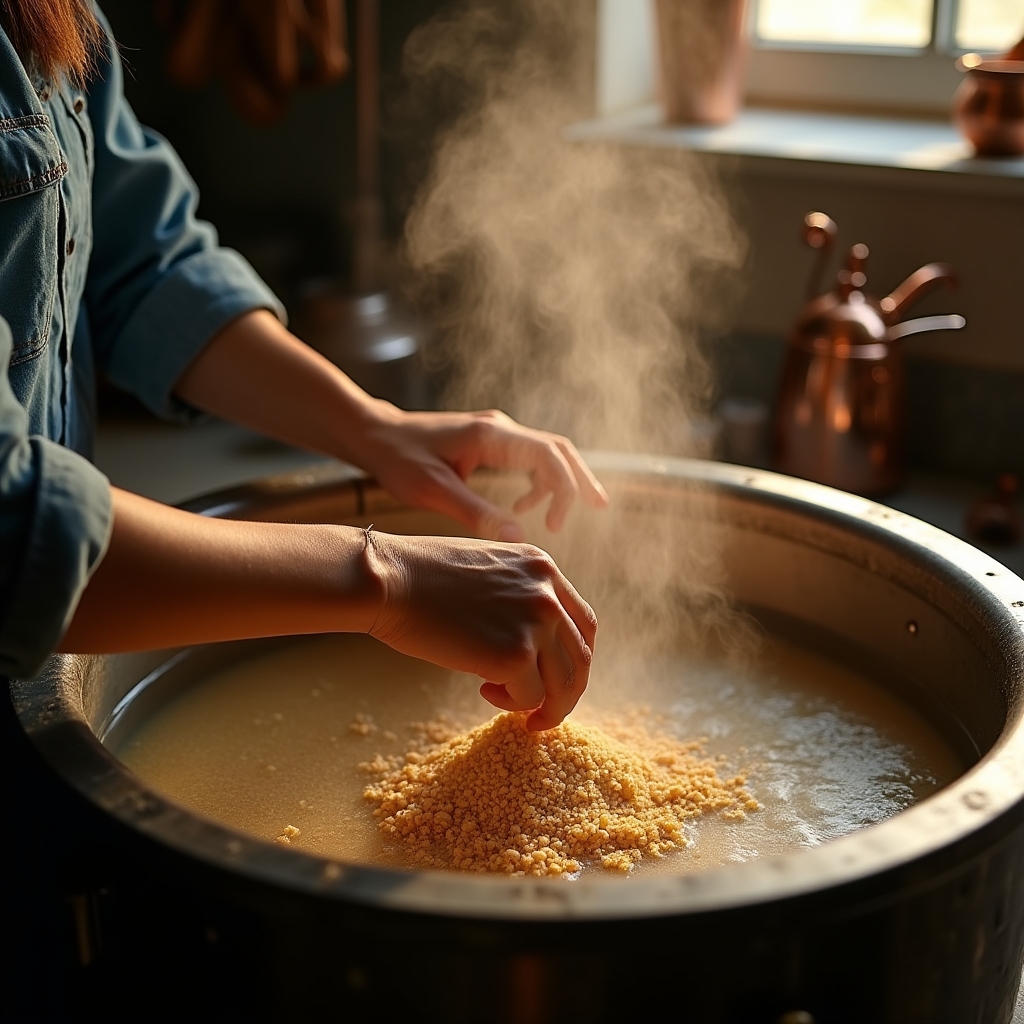
Crushed grain rests in hot water so enzymes can convert starch into sugar.
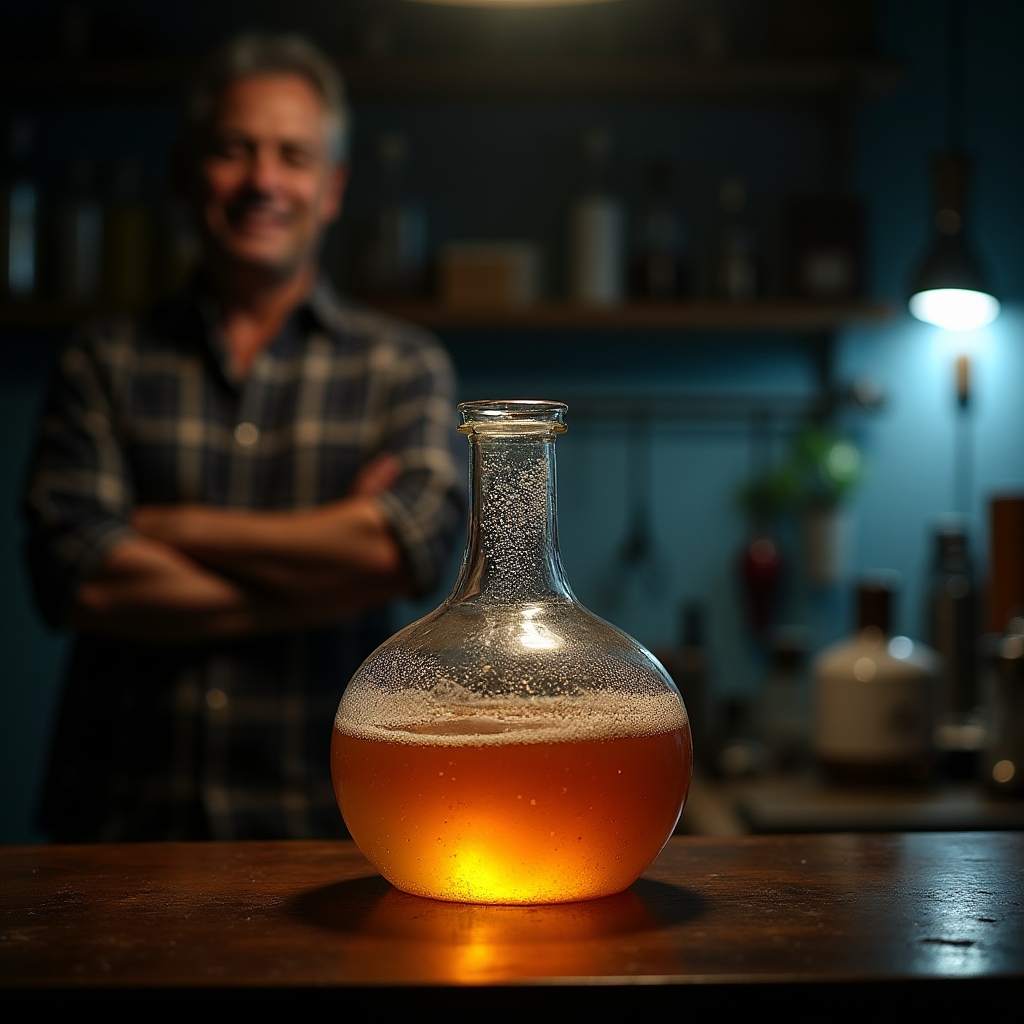
Yeast consumes the sugar, producing alcohol, carbon dioxide and flavor compounds.
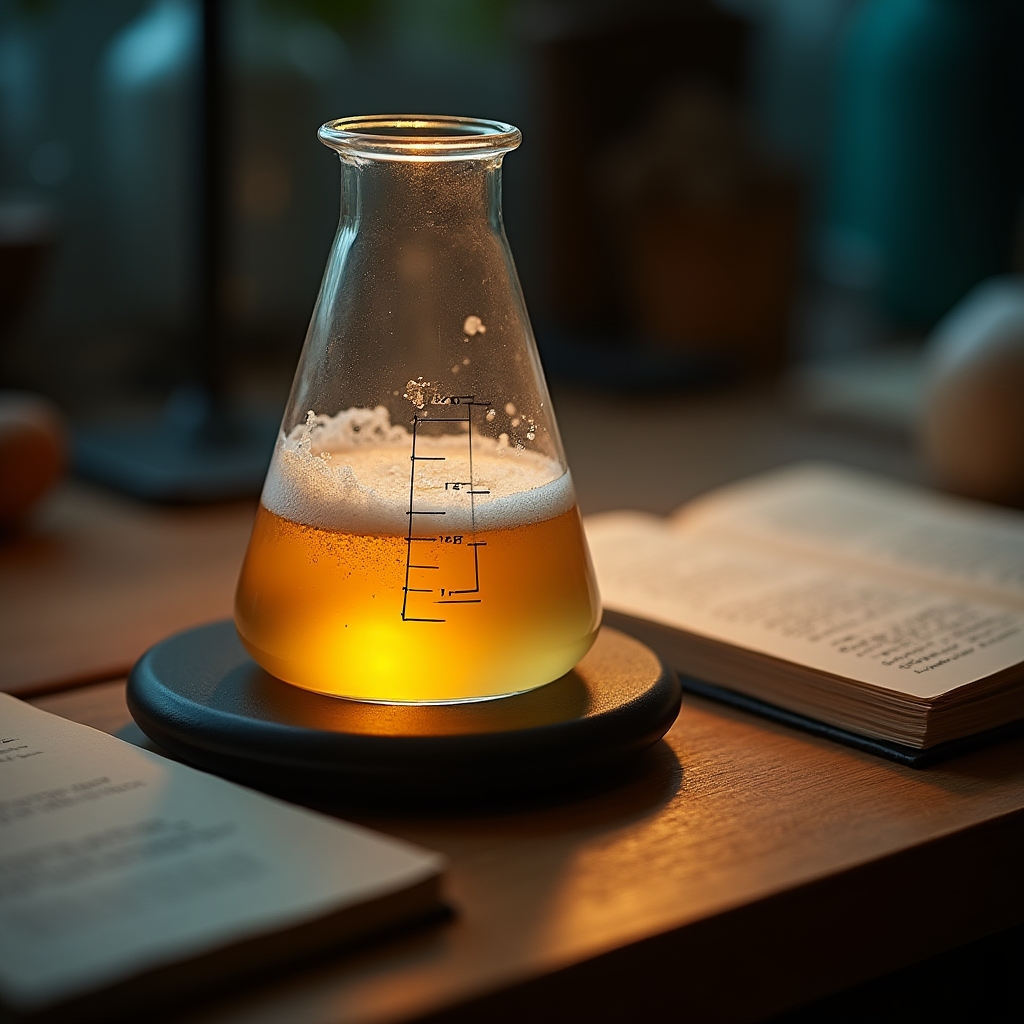
Beer rests to clarify and mellow, while natural carbonation can begin to build.

Priming sugar and clean bottles set up the final carbonation before storage.
Style Coverage
Course materials walk through the grain, hop and yeast choices typical of each family, so you can adapt a base recipe to your own taste.
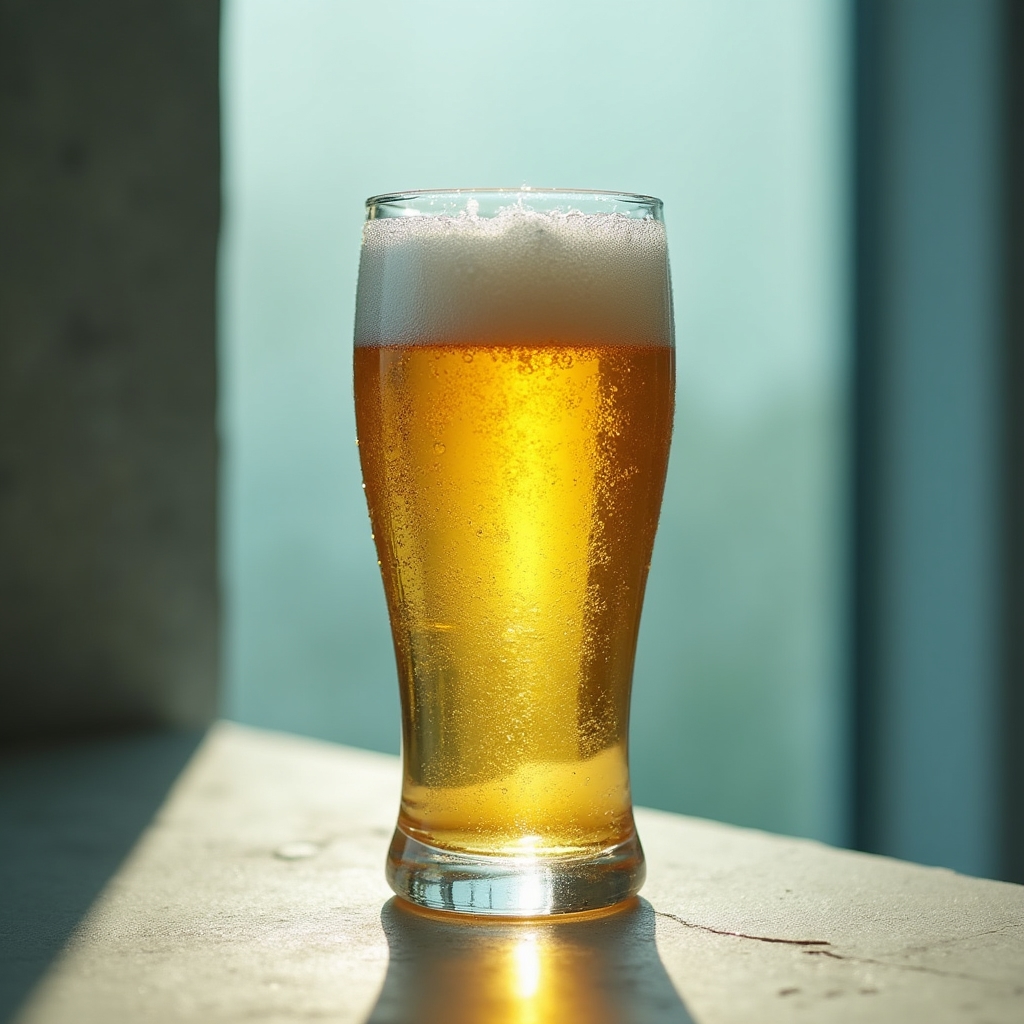
Cooler fermentation temperatures and longer conditioning times for a clean, crisp profile.
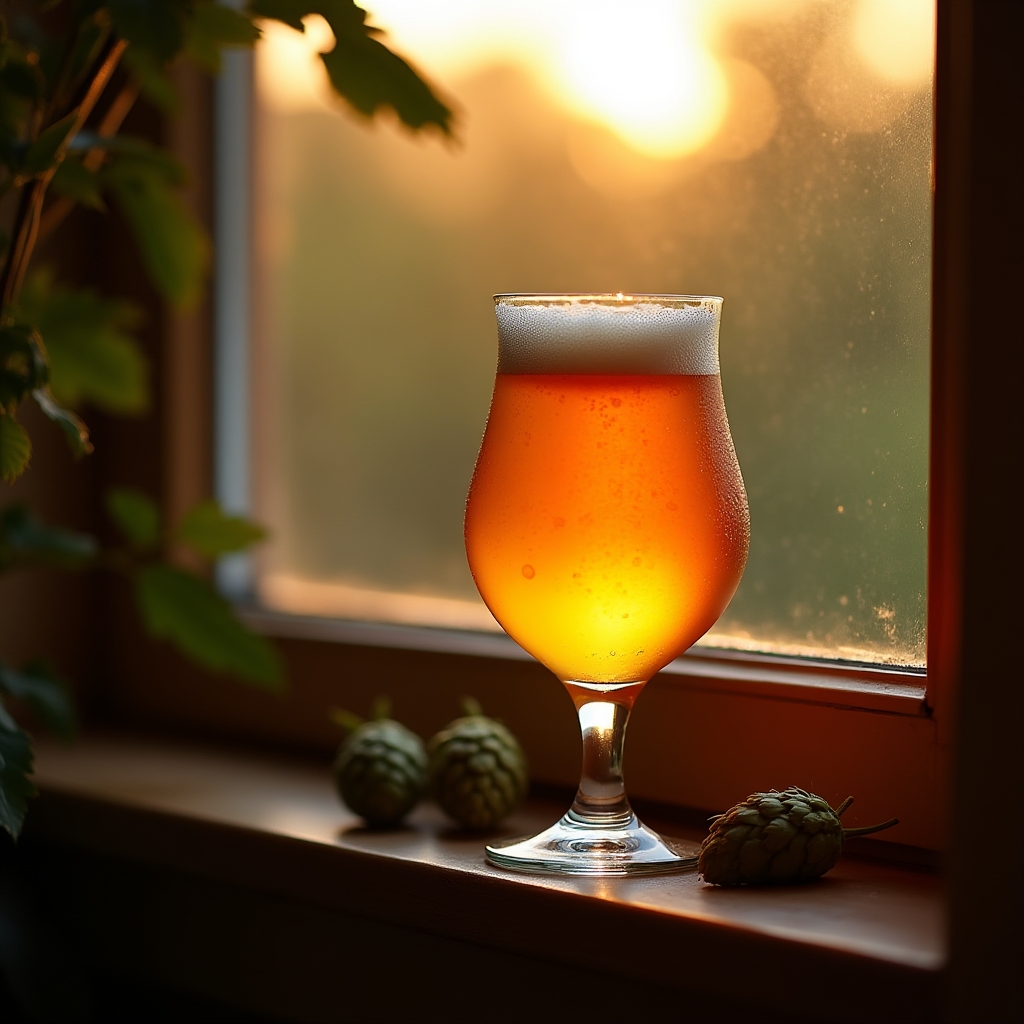
Hop scheduling, dry hopping timing and how bitterness is measured and adjusted.
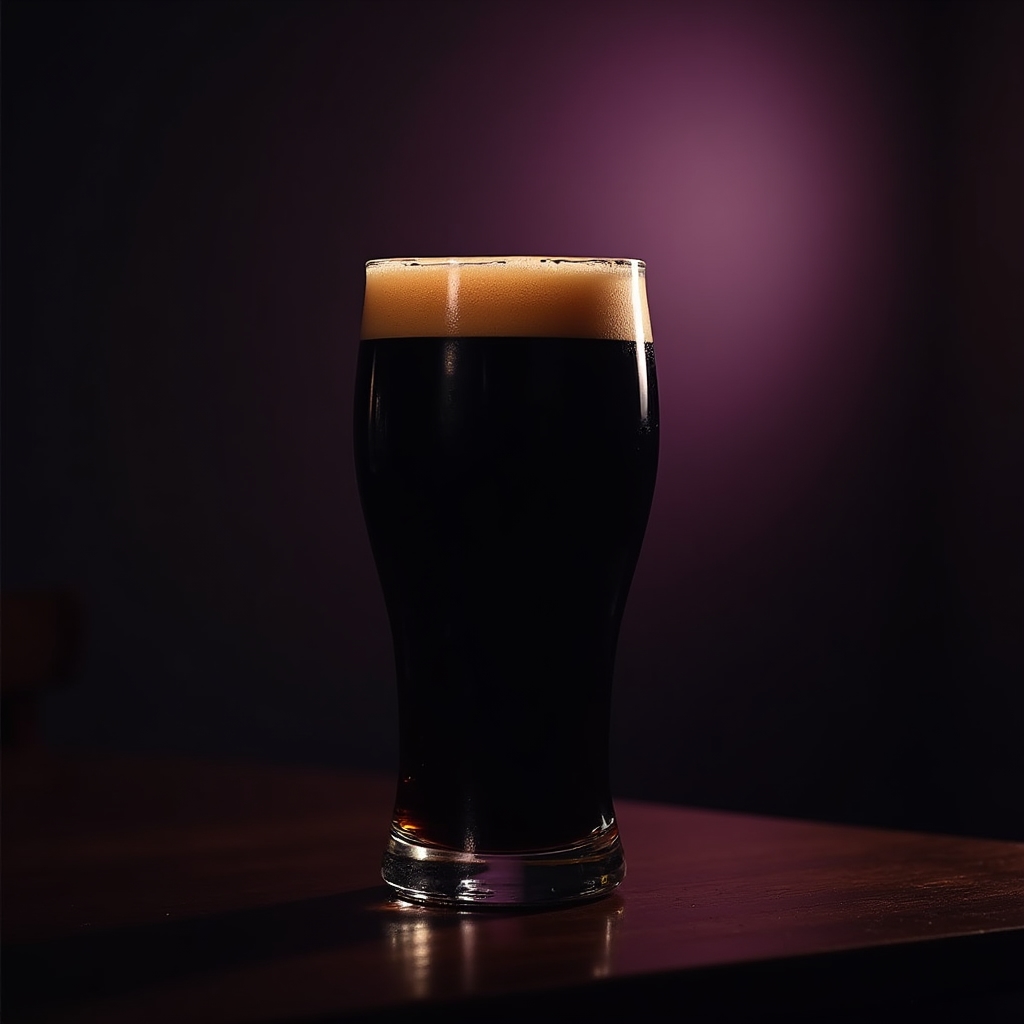
Roasted grain additions and how they influence color, body and bitterness.
Working with wheat malt and expressive yeast strains that produce fruity or spicy aromatics without added flavoring.
Common Questions
This program is written for personal, non-commercial home brewing. In the United States, adults of legal drinking age are generally permitted to brew beer at home for personal and family use under federal regulations, provided it is not sold or offered commercially. Rules can vary by state, so it's worth checking local regulations. This site does not provide legal advice.
Course materials outline a basic setup: a large kettle, a mash tun or insulated cooler, a thermometer, a fermentation vessel with airlock, and sanitizer. An equipment overview and comparison of common starter kits is included in the Our Approach section.
Timelines vary by style and yeast strain. Many ales complete primary fermentation within one to two weeks, while lagers often need longer, cooler conditioning. Course lessons include gravity reading guidance to help identify when fermentation has finished rather than relying on the calendar alone.
Yes. The Recipe Formulation Workshop specifically covers how to swap grains or hop varieties while keeping target color, bitterness and gravity in a similar range, using the included worksheets.
The lessons are educational and focus on home-scale, non-commercial brewing for personal use, which is generally permitted for adults of legal drinking age under federal rules. Some states and localities have their own additional requirements, so it's worth reviewing rules where you live before you begin.
Yes. The Carbonation & Bottling module covers natural bottle conditioning with priming sugar as well as an introduction to forced carbonation for hobbyists using small kegging setups.
Our Approach walks through exactly how modules, worksheets and safety notes fit together before you start your first batch.
We use cookies
Essential cookies keep this site working. Optional cookies help us understand usage.
Choose which categories of cookies you allow. Essential cookies cannot be turned off because they are required for the site to function.